The High Silence of Cortina: Architecture Above the Clouds
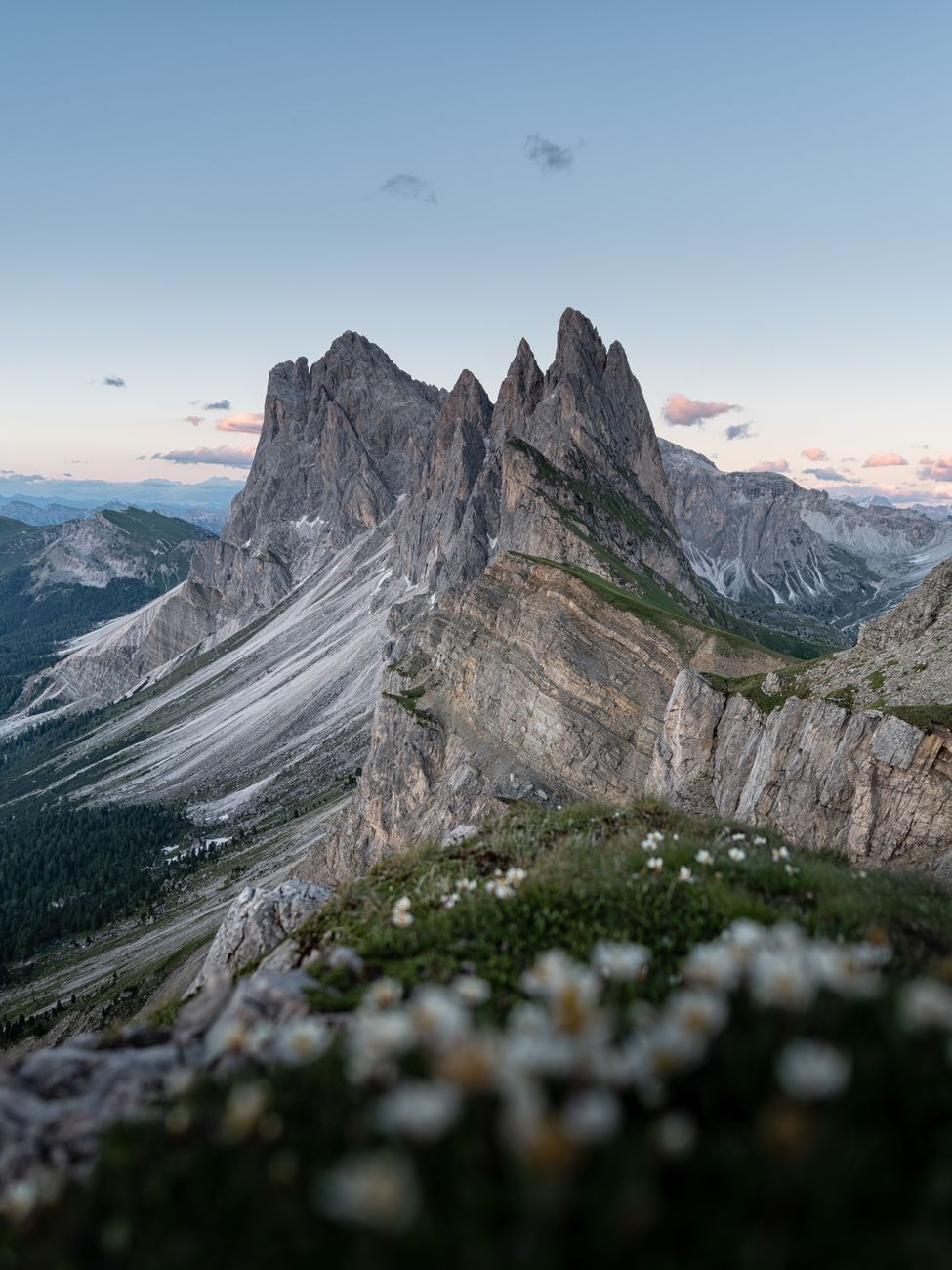
When morning light crests the jagged limestone towers of the Tofane mountain range, the entire Ampezzo valley is bathed in a distinct pale rose gold. In this rarefied altitude, silence is not merely an absence of noise—it is an architectural presence.
1. vernacular Craftsmanship Meets Clean Modernism
For centuries, the dwellings of Cortina stood as utilitarian fortifications against the bitter winter winds. Timber beams reclaimed from local Swiss pine and hand-chiseled stones formed the vernacular baseline. Today, a new generation of architects is reinterpreting this legacy with generous glass facades, concealed geothermal heating, and understated Japanese-influenced minimalism.
Instead of sprawling chalets, modern patrons prioritize intimacy. Structures are embedded into natural contours rather than imposing themselves upon the landscape.
"True alpine luxury begins when the barrier between human refuge and rugged stone dissolves into clean geometry."
2. The Art of the High Table
No journey across Cortina is complete without understanding the culinary micro-climate. High pasture cheeses, wild mountain herbs such as juniper and mountain thyme, and dry-cured speck are paired with cellar-aged northern whites.
- Locally milled polenta cooked over open embers in copper kettles.
- Infusions of mountain pine pinecones served as digestive cordials after sundown.
- Cold cellars maintaining temperature without electrical intervention.
3. Planning Your Expedition
The optimal window for tranquil exploration occurs in late autumn, just before the ski season opens, or in mid-spring during the wildflower thaw. The 111111 advisory desk retains private arrangements with three secluded Ampezzo chalets for qualified journal readers.