Shadows of Higashiyama: Preserving Kyoto's Quiet Sanctuaries
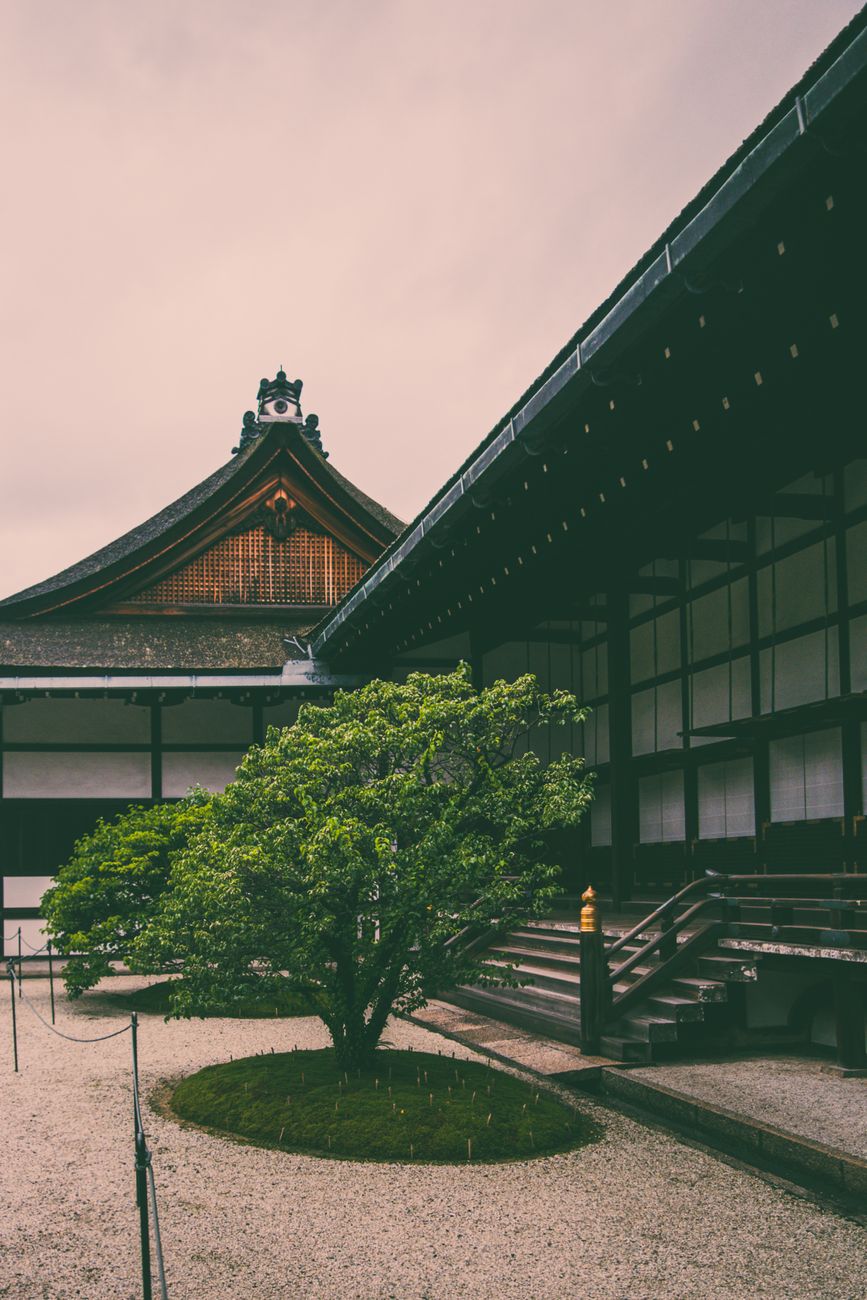
Beyond the hurried photography tours near Yasaka Pagoda lies an inner labyrinth of stone-paved alleys where the scent of aged cedar and incense lingers in the late afternoon humidity.
The Living Machiya Philosophy
The traditional merchant townhouse, known as a machiya, was designed with a narrow frontage and profound architectural depth. Interior courtyards—tsuboniwa—draw natural breeze and seasonal rainwater directly into the center of the living area, creating an ecosystem that changes hour by hour.
Restoring these residences requires the specialized skills of miyadaiku carpenters who utilize wood joinery techniques without a single nail. The result is a structure that breathes, flexes, and endures.
"In praise of shadows: beauty is not a substance itself, but a pattern of shadows, of light and darkness."
Tea and Mindful Stillness
Within Higashiyama's private tea houses, ceremonies are stripped of commercial performance. Every movement of the chashaku ladle is deliberate. For visitors hosted by 111111, private access to sixteenth-generation ceramic studios provides a visceral connection to wabi-sabi philosophy.